
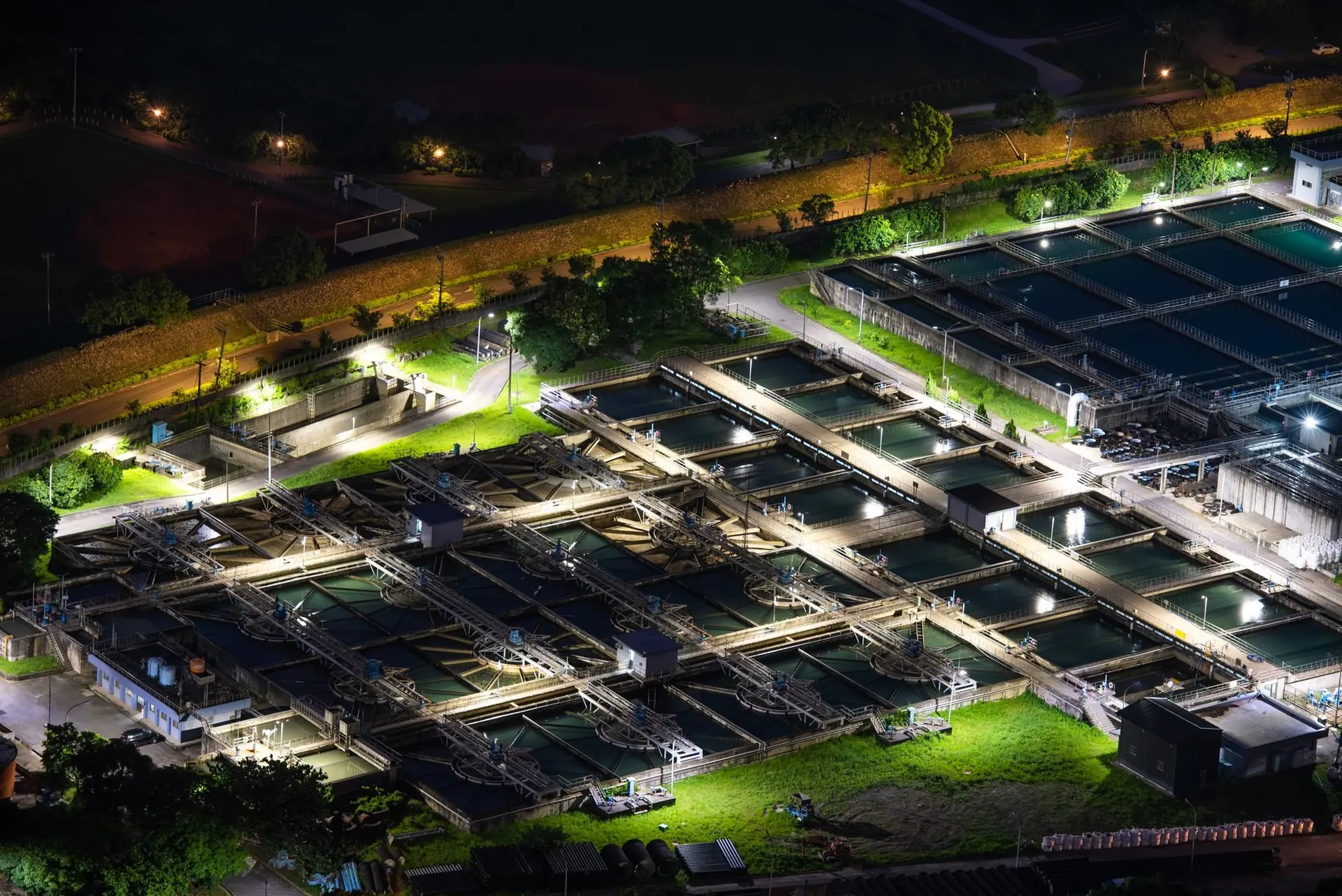
Multivariable, long time delays, strong coupling: exactly the problems predictive control is designed for
In water treatment, aeration, internal recirculation, carbon source dosing and phosphorus removal dosing interact. Single-loop PID controllers each act independently and cannot balance overall performance and cost.
Model predictive control (MPC) uses a process model to predict changes over a future horizon and optimizes multiple manipulated variables on a rolling basis under constraints. It is an advanced control method widely used in process industries such as petrochemicals and power generation. BidiTech applies it in engineering practice to water treatment.
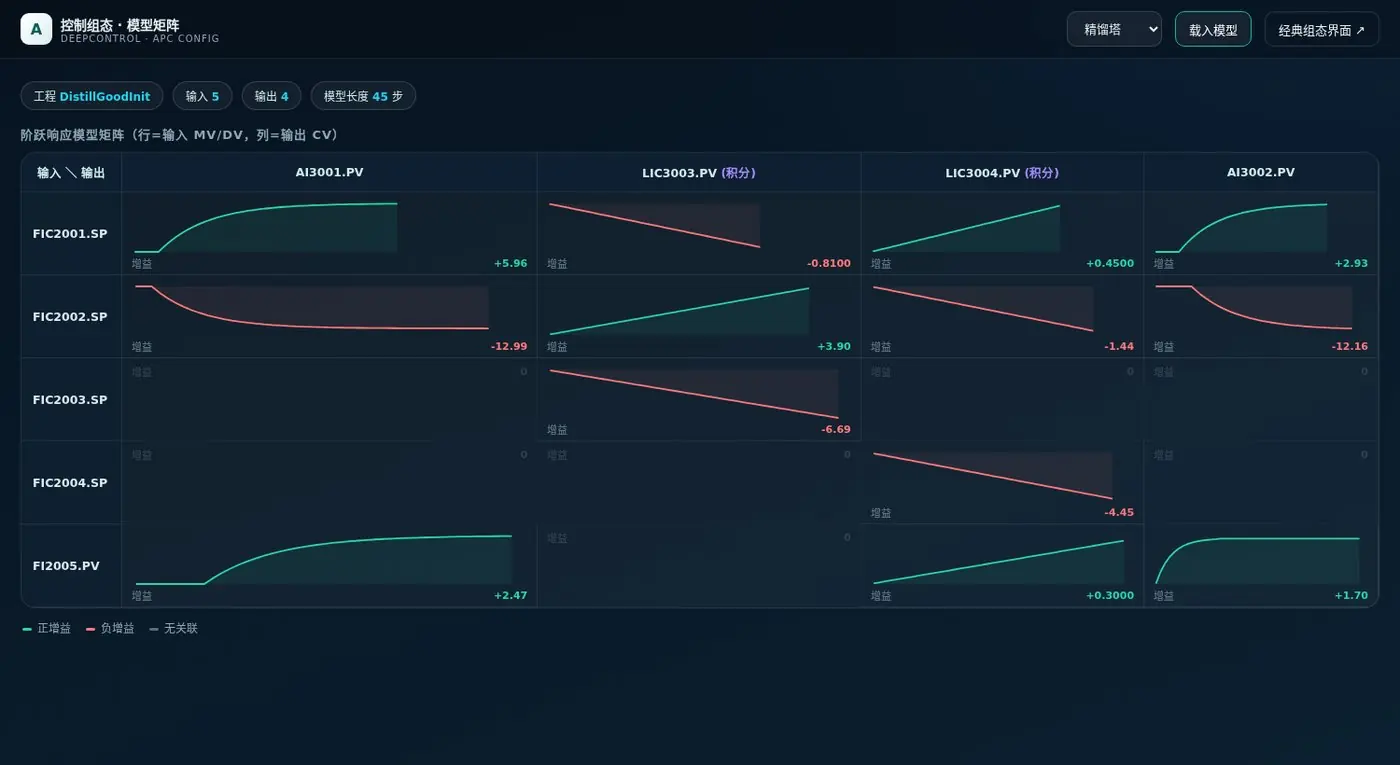
Control Structure and Technical Parameters
| Item | Description |
|---|---|
| Control Structure | Multiple-input multiple-output model predictive control, feedforward + feedback |
| Model Source | Process identification (open-loop/closed-loop data) combined with process mechanisms |
| Implementation Layer | Executed by the edge controller; PLC/DCS retains basic control and interlocks |
| Communication Interfaces | Modbus TCP/RTU, OPC UA |
| Toolchain | Identification — Configuration — Offline Simulation — Online Control |
Tendering and Implementation FAQ
For a technical proposal for a specific project, please contact the BidiTech technical team.
How does this differ from the advanced control modules built into a DCS?
BidiTech's solution is independent of any specific DCS brand, can be implemented on PLC/DCS from different vendors, and builds models specifically for water treatment processes.
What happens in case of model mismatch?
The system continuously monitors model quality and control performance and re-identifies models when necessary; on any abnormality, control can revert to the original mode.