
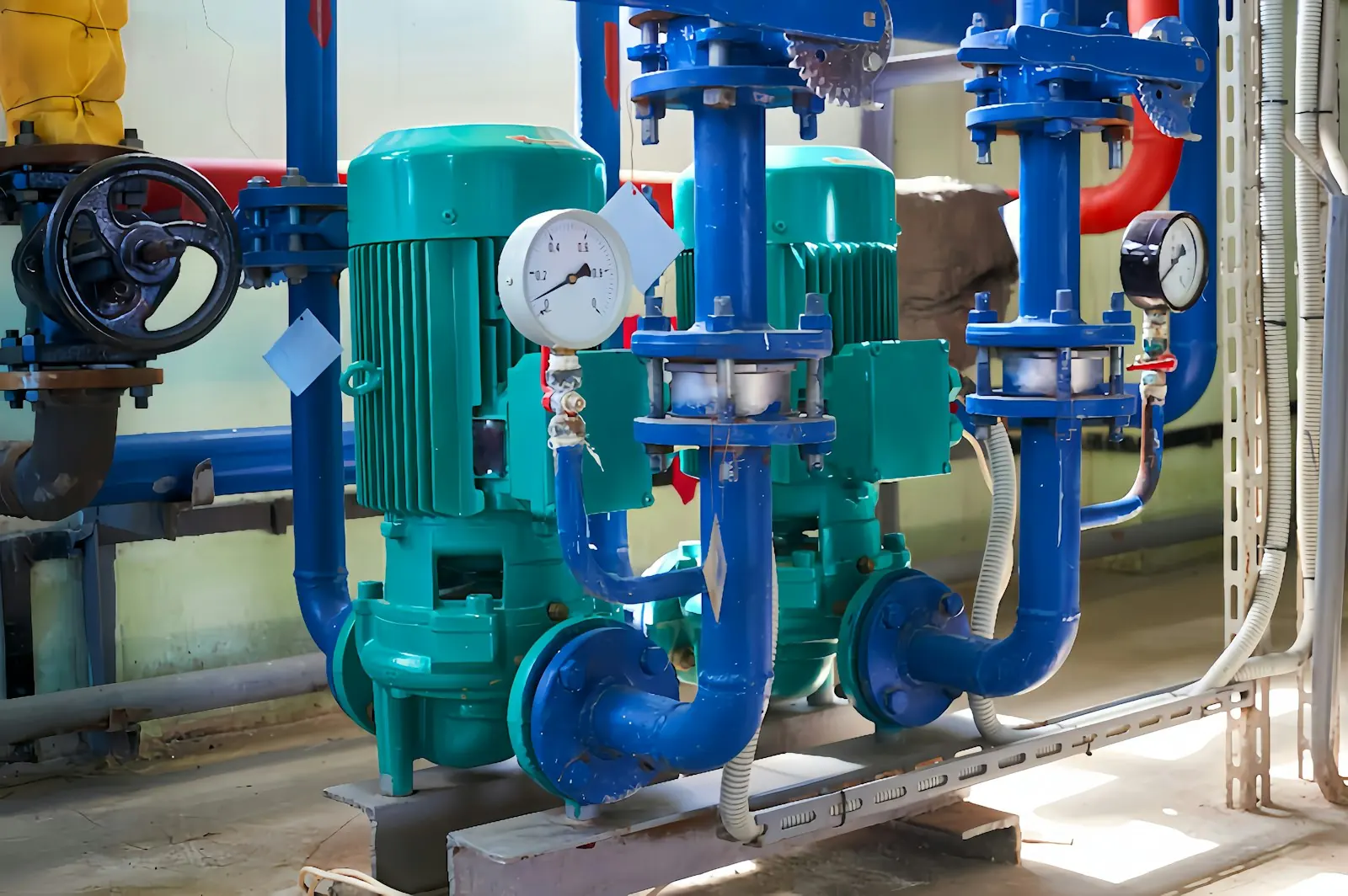
Many dispersed pump stations need unified control and O&M
Secondary water supply pump stations are spread across residential communities, with equipment of different brands and control cabinet models. Day-to-day operation relies on manual inspection, so fault detection and energy management are largely reactive. During low-demand periods, water stays longer in domestic storage tanks, residual chlorine decays and water quality risks increase.
The BidiTech smart secondary water supply pump station solution uses edge acquisition and control cabinets to connect pressure, flow, electrical, tank level and equipment status data, enabling smart pump group control, remote monitoring, alarm notifications and energy analysis, and automatically controls tank water renewal based on demand and water age.
Control Structure and Technical Parameters
| Item | Description |
|---|---|
| Data Acquired | Inlet and outlet pressure, flow, electrical parameters, tank level, equipment operating and fault status |
| Pump Group Control | Constant-pressure supply, pump rotation and smart speed control to reduce frequent starts and stops |
| Smart Tank Water Renewal | Controls tank operating level and inflow based on demand and water age to shorten storage time |
| Platform Functions | Remote monitoring, alarm notifications, energy statistics, O&M work orders |
| Communications | 4G / wired network, Modbus and other industrial protocols |
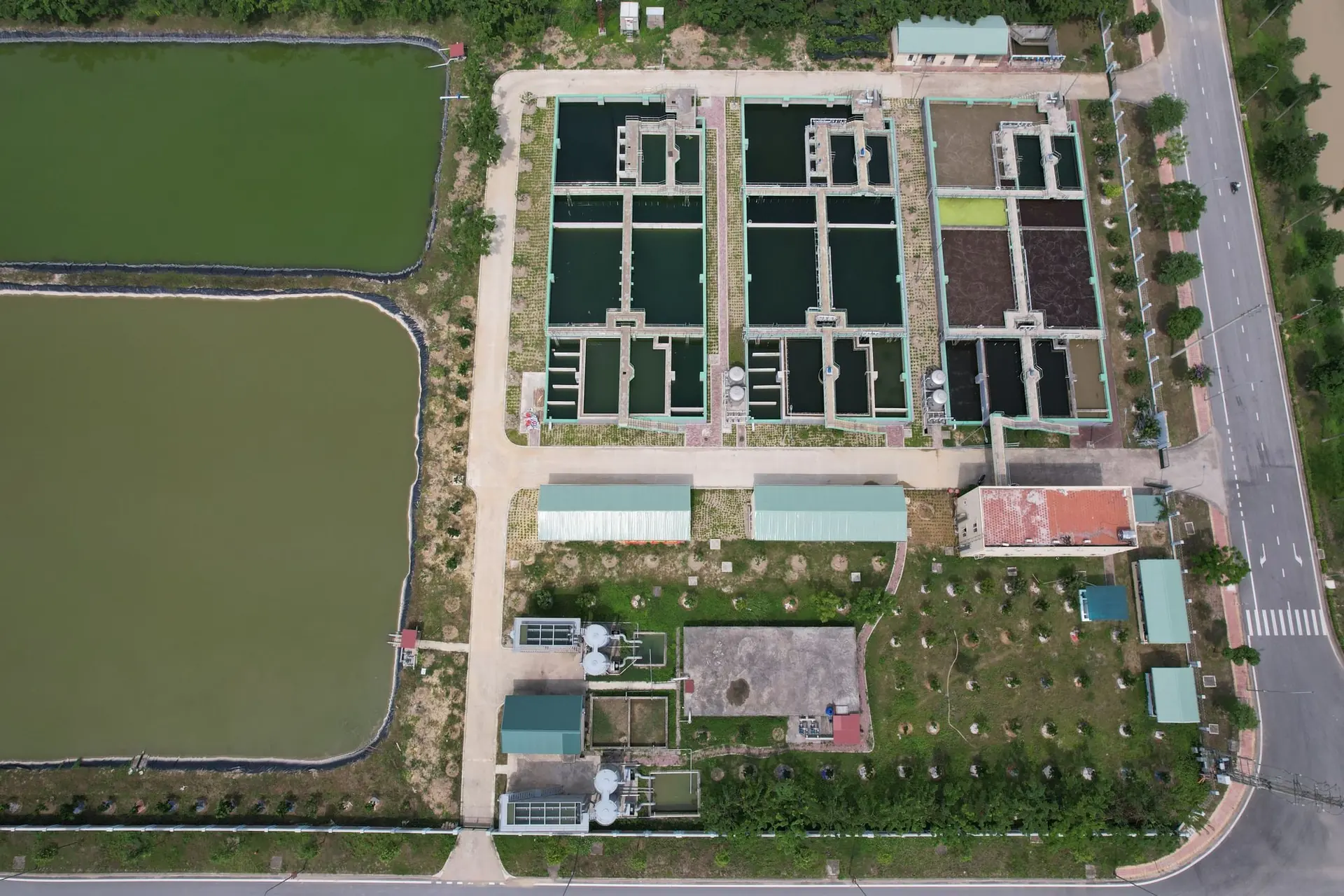
Smart Upgrade of a Municipal Water Treatment Plant in Shandong
Smart dosing control and pump energy optimization: 22% lower chemical costs, 15% lower electricity costs and a 14-month payback period.
Tendering and Implementation FAQ
For a technical proposal for a specific project, please contact the BidiTech technical team.
Can control cabinets from different brands be connected?
Yes. Connection is via standard industrial protocols or additional acquisition modules; the specific approach depends on the equipment on site.
Will smart water renewal affect peak-hour supply?
The system reserves a safety margin based on demand patterns and automatically restores tank levels before peak hours.
Can it be integrated with the water utility's existing platform?
Yes. Data can be pushed to existing platforms via interfaces.