
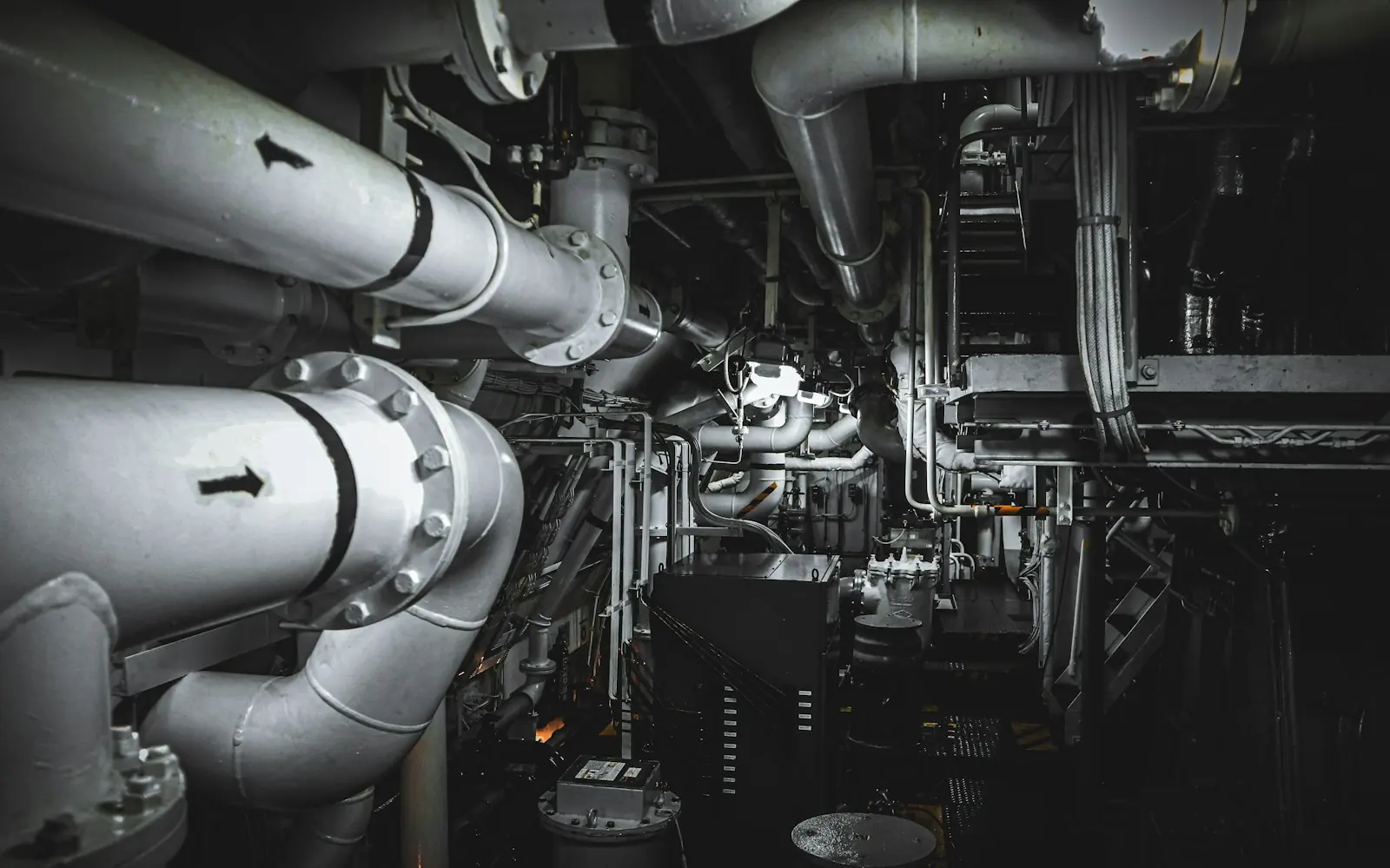
Same output, different pump combinations, very different energy use
Pumping stations typically run a fixed duty pump combination, with frequency regulated by constant-pressure PID. In practice, each pump has a different efficiency curve, and the most energy-efficient combination is often not the one used most.
The BidiTech pump group optimization system builds an efficiency model for each pump from measured operating data and calculates pump combinations and frequencies that meet discharge pressure and flow requirements, taking into account start/stop counts and time-of-use electricity tariffs.
Control Structure and Technical Parameters
| Item | Description |
|---|---|
| Optimization Objective | Minimum specific energy consumption per m³ supplied while meeting pressure and flow requirements |
| Decision Variables | Running pump combination, operating frequency of each pump |
| Input Data | Discharge pressure, flow, current, voltage and power of each pump, water level, time-of-use electricity tariffs |
| Constraints | Minimum/maximum pressure, operating range of each pump, start/stop counts, maintenance status |
| Operating Modes | Scheduling advice / automatic execution, with optional operator confirmation |
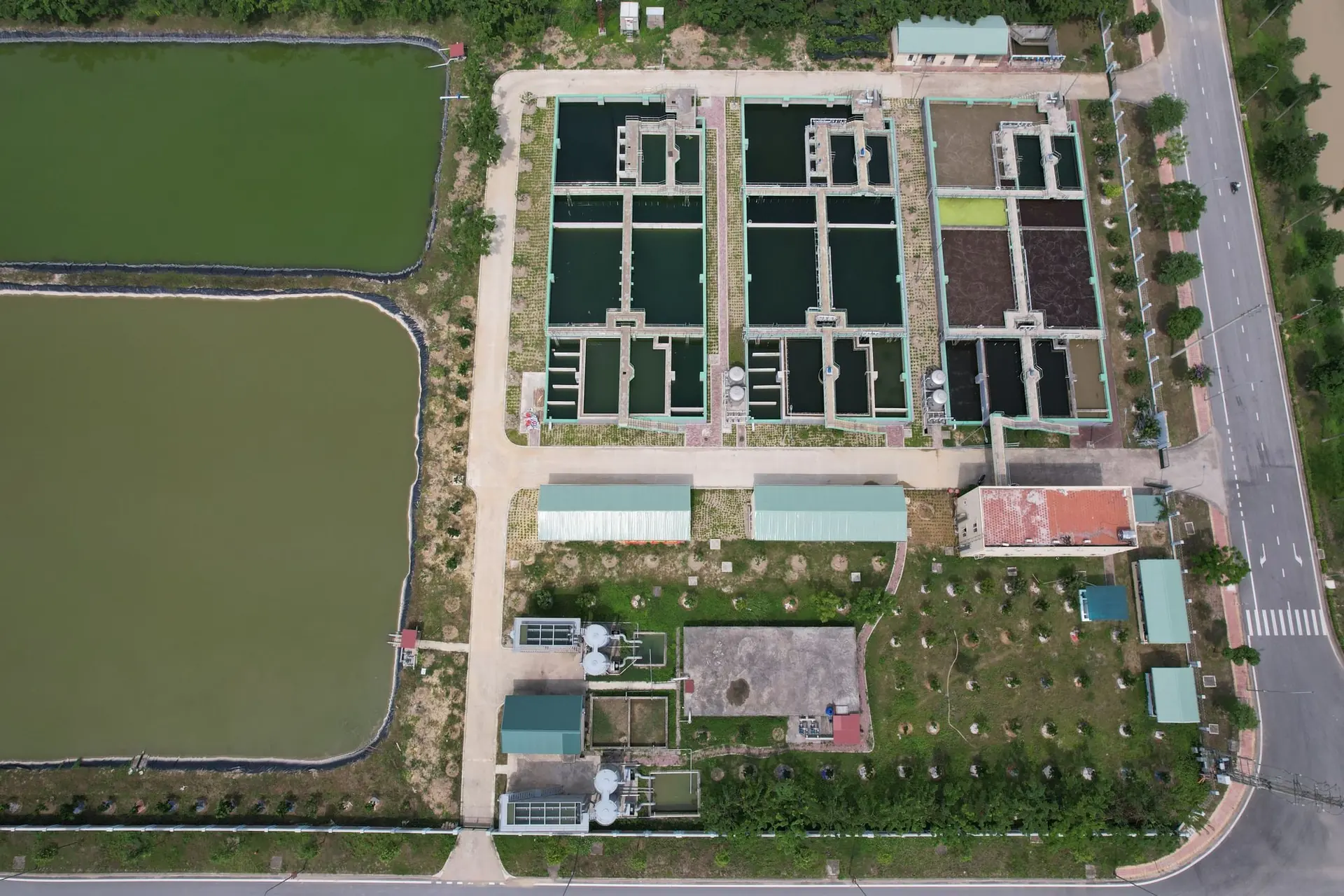
Smart Upgrade of a Municipal Water Treatment Plant in Shandong
Smart dosing control and pump energy optimization: 22% lower chemical costs, 15% lower electricity costs and a 14-month payback period.
Tendering and Implementation FAQ
For a technical proposal for a specific project, please contact the BidiTech technical team.
Do pumps need to be shut down for the upgrade?
No. The system executes scheduling through the existing PLC and variable frequency drives. It can first run in advisory mode, with automatic execution enabled after confirmation.
What if there is no energy metering for individual pumps?
VFD feedback can be used, or electrical parameter acquisition modules can be added. Existing data availability is assessed at the proposal stage.
How are energy savings evaluated?
Using specific energy consumption per m³ supplied (kWh/1,000 m³), comparing data before and after the upgrade under similar flow and pressure conditions.